If this is your first time visiting my blog, welcome! I’m a game music composer and believe that communication is key to a strong working relationship. In order to ensure that you get the best music for your project, whether it’s a game music soundtrack, film score or anything else – knowing how to communicate effectively with your chosen composer can really help. Here are a few tips that I hope will help you to get the most out of your working relationship with your composer.
1. Share your vision
- about the music you would like for your game, film or project. Some people think that telling a composer that they have complete creative freedom is a good thing. However, often this can be confusing. Without any direction or insight into what you have in mind for your project, it will be extremely difficult for the composer to create something that will feel right for the project both to you and to them. They may end up going off in a completely different direction to what you expect or would like and so it tends to be most useful to discuss your vision and what you’re hoping for in and from the music.
(Also check out: How to Work Well with a Game Music Composer)
2. Don’t micro manage or be too pushy
It is often best to offer some guidelines and an idea of what you’d like in terms of the music mood and style etc., however it’s still important to give your composer room to be creative and to input some of their own ideas into the project. They will want to bring your vision to life and to create something fit for purpose, however it’s important to note that they will most likely do this best if you trust them to do it their way. Don’t get too involved with all the details and don’t micromanage the whole process.
(Also see: 6 Ways to Spot a Bad Composer Before it's Too Late)
3. Don’t worry about musical terminology
It’s usually best to avoid musical terminology all together rather than try to use terms which you aren’t fully comfortable with. There are lots of different ways to describe music and lots of different types of music! Don’t get bogged down by the lingo as it can end up being confusing for everyone. It’s usually best to focus on describing how you want the music to feel and taking it from there.
4. Use reference tracks
It’s quite common to use reference tracks that contain elements that you like and are looking for. Tell the composer what you like about the track or tracks you’ve selected so that they understand where you’re coming from with each of the references. People listen to music in different ways and so don’t assume that what sticks out for you in a certain track will be obvious to the composer. Help them understand what it is that you’re keen on or not so keen on with the example pieces.
5. Offer constructive and descriptive feedback
It would be really good if the composer gets the music right first time, however, realistically it may take a few iterations before the music fits your game or film perfectly. You may need to work with them to help shape the music to meet your needs. Try to be positive where you can and explain what works or doesn’t work for you in what they’ve done. If the music isn’t quite what you’re looking for, think about what needs to change for it to sound closer to what you need. Be patient and keep in mind that a composer isn’t a mind reader and so you may need to help them to get on the same page as you, if they haven’t quite gotten there already.
Do you have a composer that you're happy with for your project? If not, perhaps I can help. Explore my site to learn more about me and/or contact me now to discuss your needs and to see how we might work together.
(Also explore: 5 Top Tips for Hiring a Game Music Composer for the First Time)
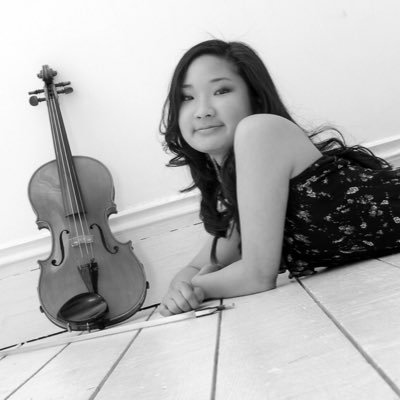
About the author: Ninichi is an experienced game music and film music composer. She creates music in a range of styles and has worked on numerous games and films supporting indie game developers and indie film makers with their projects.
Contact Ninichi to commission her and discuss your music needs.
Follow her @ninichimusic

When you decide to work with your friends, it can be hugely exciting. However, it’s also important to establish some clear boundaries if and where you can in order to prevent potential conflicts arising during your project.

When you decide to work with your friends, it can be hugely exciting. However, it’s also important to establish some clear boundaries if and where you can in order to prevent potential conflicts arising during your project.
Are you a game designer, game artist or indie game developer? If so, welcome to my blog! I’m Ninichi and I’m a game music composer. I make music for indie games, films, shows and anything that needs music really! I also run this blog on my website, which tries to offer a place for people to learn, get inspired, share experiences, get tips and much much more.
I’m delighted to be sharing with you some thoughtful tips and insights today, from Lucy Jamie - a super friendly game artist and designer based in Melbourne. She has over 5 years of professional experience in the field and is currently

Are you an indie game developer wondering how to fund your game? Perhaps some of these organisations and indie developer funds could be worth looking at. I’m Ninichi - a freelance game music composer (see my homepage) and as such have worked with many different indie developers and indie game studios on their projects. One big challenge that I’ve noticed is often the financial side of game development. There are many options available to you, including self-financing, crowd-funding, finding a publisher and so on, but one area that is sometimes overlooked or not really considered is that of grants and other funding sources.

It is very easy as a keen indie game developer, to spend more and more time on your game and to overwork yourself into the ground. You have a vision for your game, you have an impossible number of things to do, there’s lots to learn and to try out and to fix and to design, code, get modelled, integrated and so on. The list is endless but your energy is not. As an indie game music composer (see my stuff!) working alongside many game developers, I've seen this happen many times.
It is so easy for anyone keen to succeed in any industry and/or in any job, or working on any project of significance, to burn out – but we must do all that we can to prevent this. If you burn out, your energy levels deplete, your enthusiasm and positivity vanishes, your work becomes suboptimal and ultimately even if you finish the project, it won’t be your best work.It is so easy for anyone keen to succeed in any industry and/or in any job, or working on any project of significance, to burn out – but we must do all that we can to prevent this.

After having connected with various indie game developers (often supporting them with their game music), I’ve discovered that there are many challenges that one faces in the game development journey.
It can be a tricky road to travel and it’s always good to know what to avoid if you can and so I’ve tried here to highlight some common issues and mistakes that I’ve heard/seen/witnessed people going through. I hope that you will be able to take something away from this and that you find these useful. So here are some key mistakes to note and avoid as you develop your game…After having connected with various indie game developers (often supporting them with their game music), I’ve discovered that there are many challenges that one faces in the game development journey.
So, you have a great idea and maybe even an awesome team working on it already! That is an excellent start, however, the often tricky issue of financing your project may be something you have yet to decide on and to have set up for you.
Are you sure that you have the funds to see your exciting project through? If not, then crowdfunding may be something for you to consider.
If this is your first time visiting my blog, welcome! I’m a game music composer and believe that communication is key to a strong working relationship. In order to ensure that you get the best music for your project, whether it’s a game music soundtrack, film score or anything else – knowing how to communicate effectively with your chosen composer can really help. Here are a few tips that I hope will help you to get the most out of your working relationship with your composer.If this is your first time visiting my blog, welcome! I’m a game music composer and believe that communication is key to a strong working relationship. In order to ensure that you get the best music for your project, whether it’s a game music soundtrack, film score or anything else – knowing how to communicate effectively with your chosen composer can really help.

If you’re thinking about hiring a composer for your project – whether it’s a game, a commercial, a film or anything else, it’s important to find the right person to work with. There are many composers around, however, unfortunately we are not all the same! As with other industries, there are good ones and bad ones and it’s important to know what to look out for when doing your due diligence and deciding who’s best for your project.
Do you need some music for your game, film or media project? You may be at that key stage of weighing up your options, contacting music composers and exploring music production libraries online. I've been composing for a while now and have supported many indie game developers and indie filmmakers with their projects - and so I understand some of the dilemmas that you may be tackling. If you want to chat about it, I'd be happy to hear from you. Feel free to email me at ninichimusic@gmail.com to explore working together and your options further.
Knowing which route to take and which platform to use to distribute your game to the world can be challenging. Maybe you’ve done it before, maybe you haven’t – but the aim of this article is to try and offer a little bit of help in laying out what the main options are and could be for you.

In order to ensure that you get the very best game music soundtrack for your game, you will need to brief your composer as well as you can. As a game music composer myself (learn more about me), I have experience in working with many different types of people and clients – from indie game developers, small game studios, filmmakers, podcasters, tv producers and more.

If you’re working on your first game or perhaps you’ve done a few already but now you’re considering hiring a composer to work with you, this may feel like a big step! It could feel like a risk or a bit daunting to be bringing on someone new to the team, but it doesn’t have to be difficult or scary.
I’m a game music composer (see some of my music) and have worked with various indie game developers on their projects and have found it a very rewarding, fun and simple process. It could be this for you as well!
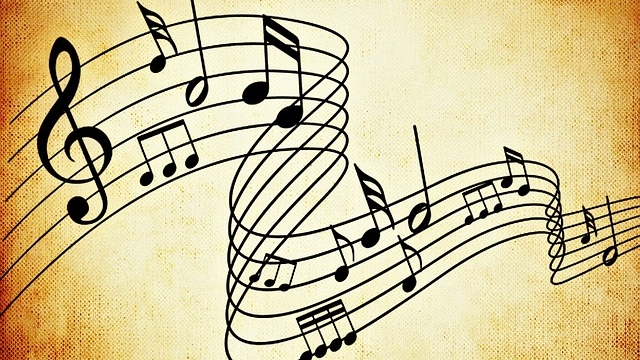
As a game music composer, I believe that the music that one chooses and includes in a game is really important. I think that in some cases, it is easy to underestimate the impact that great game music can have on a players experience and perception of a game. This is an easy mistake to make but I am hoping that this article will help to convince you of the real potential that well chosen and well placed music can have in your game.
As a composer for games, film and other media, I am often asked about sound effects and where to find some for various projects. I myself specialise in music only and so I don't create sound effects - however, there are many resources online which offer great audio clips for various uses. Many of these are free to use, some requiring creator attribution and some not at all. Others do charge for the sound effects but they don't charge much, so they're worth exploring too. I've attempted to list some of these sound effect libraries in the hope that this is a helpful reference for you...

One of the reasons that many of us find games so enjoyable is because of the music. Music can really help to enhance a players experience of a game and to immerse them in it. When choosing what music to put to your game, it is important to have in mind the various ways that music can be used throughout the game…

There comes a time in every game development process where one will start to think about the music. Can you create the soundtrack yourself? Should you try to find some royalty free music to use? Should you hire a composer? There are many options available to you, but which way should you go!?

Working with the right composer is such an important part to any successful project – whether you’re producing a film (see my cinematic music), working on an artistic project or creating a new game (see my game music examples).

To me, given that I am a game music composer (learn more about me!)– the music within games plays a crucial role in enhancing a gamer’s experience and appreciation for a particular game. Without music that really suits a game, the experience for a player can be significantly diminished. However, don’t just take my word for it!
There are many things to think about when considering what music to put alongside your game. Getting it right, however, is really important as the music can really bring a game to life. It can enhance the user experience and get them in the right 'zone' for playing and enjoying your game. Read on to find out more...